

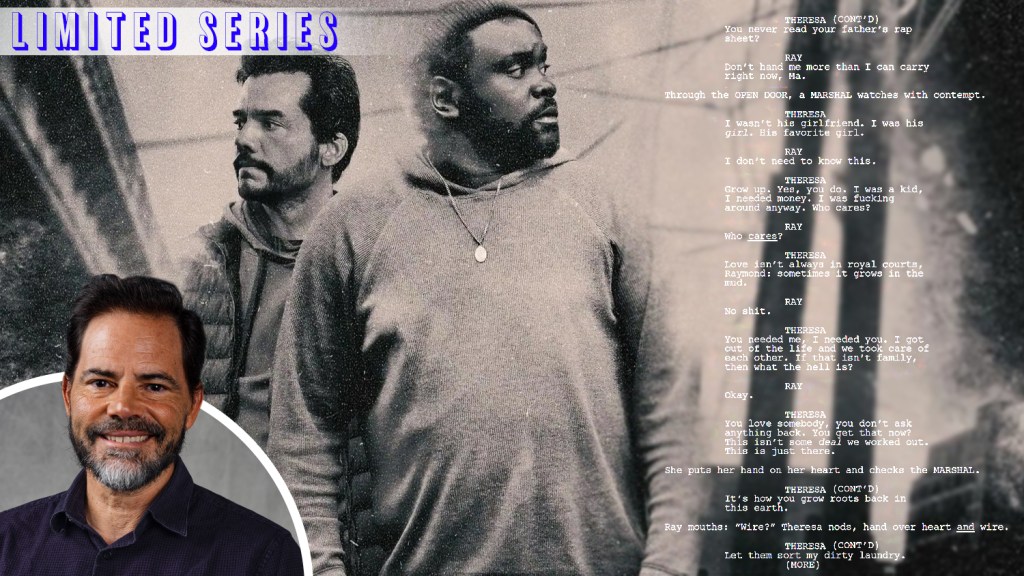
Editor’s note: Deadline’s It Starts on the Page (Limited) features 10 standout limited or anthology series scripts in 2025 Emmy contention.
Dope Thief is the story that brought Atlanta star Brian Tyree Henry back to television and persuaded Ridley Scott to make time to direct the opening episode in between making Napoleon and Gladiator II.
The Apple TV+ drama, which was written by Peter Craig, screenwriter of movies including The Town and Top Gun: Maverick, tells the story of two old friends, Ray, played by Tyree Henry, and Manny, played by Wagner Moura, who pose as DEA agents to steal drugs from prominent drug dealers. However, a big score goes bad when the pair end up robbing the wrong house, one belonging to one of the biggest and most secretive narcotics operations on the East coast.
Tyree Henry hadn’t wanted to return to the small screen after appearing in films such as The Eternals, Spider-Man: Across the Spider-Verse and The Fire Inside. He’d had his fair share of trauma on television, but Craig’s script – the story is based on Dennis Tafoya’s eponymous novel – lured him back, specifically as his character Ray is trying to figure out his own trauma and grief.
Episode 7 of Dope Thief – titled Mussolini after a bar game of F*ck, Marry, Kill played by some drunk cops – is the penultimate episode of the show and it ends on one hell of a cliffhanger. Ray and Manny are under arrest and the walls are closing in. The cops are making progress, the bikers are sharpening their shivs, the main duo’s relationship is being tested and Ray is dealing with his own family issues, while Manny is facing his own piercing predicament.
In his intro for the script, Craig calls Dope Thief a “tragic love story.” He reveals that he wrote the episode, which was directed by Narcos: Mexico and Gangs of London director Marcela Said, in a “fever dream” over a few days. “What felt so good about writing this one was that every character was finally becoming themselves. Without scheming or bullsh*t,” he adds.

Peter Craig
Dope Thief is basically a tragic love story. At some rehab somewhere in my life I once heard the saying: “Co-dependency is when both people go to a movie neither wants to see.” Likewise, neither Ray nor Manny want to be running this dangerous side hustle when we start our show. They each think they’re doing it for the other. They’re performing for each other and performing for themselves. This massive blindspot makes an otherwise smart man like Ray do foolish things; and it makes a not-as-smart man like Manny do preposterous things. But it’s because neither is letting the other grow out of their initial trauma bond in Juvie. The one thing they both take for granted is their loyalty. It’s the ground they live on.
I know the penultimate episode is really the ultimate spoiler. But if you’re willing to trek into the weeds and read a screenplay online — or even just this intro — then you’re probably not shocked that our hapless con men didn’t escape. The show’s structure is a downward spiral, like water circling a drain — and it’s more about the characters learning to swim in that water than it is about the twists and turns it takes along the way.
So we begin Episode 7 here with both men in custody. Dabbling in crime didn’t leave any more of a moral or physical escape route than a full commitment — and now they’re forced to commit. This episode is called MUSSOLINI from a game of “F*ck, Marry, Kill” that drunk homicide cops are playing in the second act. Hitler, Stalin, Mussolini? There’s no shortage of bad options — but which one are you going to marry? Which is the least bad? Where’s the chance of a life with something positive to glean from your sacrifice? Here’s where all of our characters have to make that choice.But now that loyalty is the exact thing that could pull Ray and Manny under. Yes, it’s the ground. But when you’re falling, the ground is going to kill you. This is the episode where every lie, avoidance and rationalization comes out. It’s the tragedy of a co-dependent love story — because both men believed they were taking care of the other all along — and both had trapped each other in this cycle.
It sounds dark, but I loved writing it. And it came in a fever dream over a few days. Some episodes take forever and some feel like pure release. I guess what felt so good about writing this one was that every character was finally becoming themselves. Without scheming or bullsh*t. The cast was all so wonderful about playing layers, juggling some desperate feeling along with the lie or self-delusion. But in this episode, they’re bare.
Writing is a tough racket, because you strain forever sometimes to get even the slightest foothold. But every now and then, it feels so fluid and enjoyable that years of pushing that stone up the hill feel worth it. Whether the final product works for people or not, that’s never for me to decide. Having that transportive experience is the real reward — which is why I’ll always be fond of this particular episode.
I really appreciate the chance to share it. Thank you.
Peter Craig
Read the script below.
