

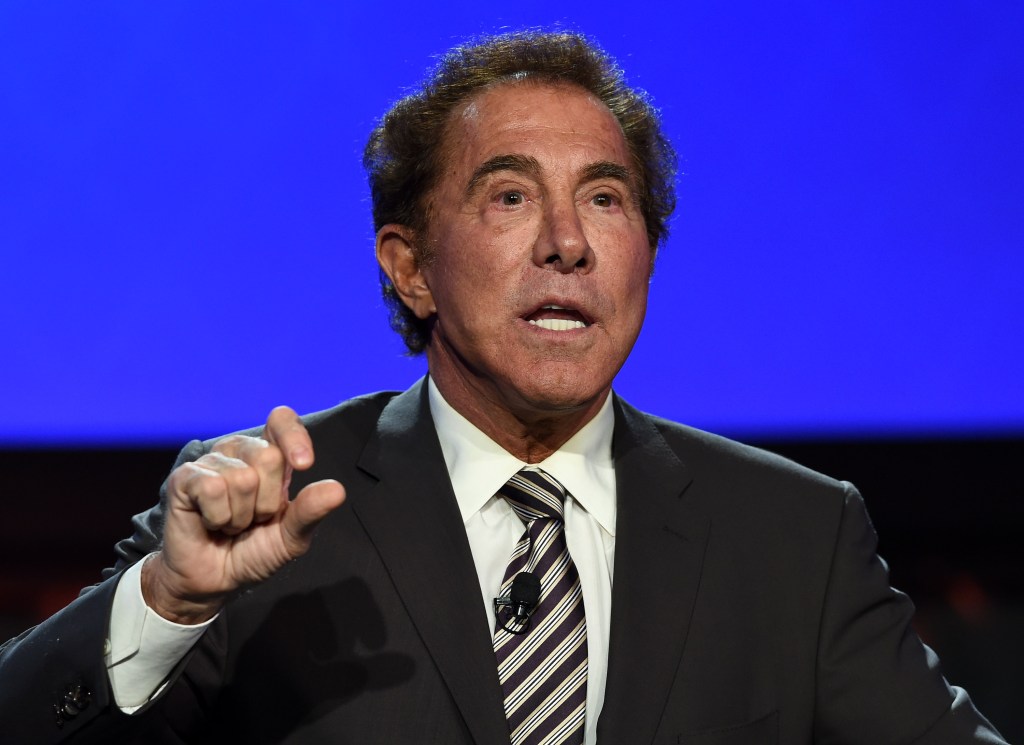
The Supreme Court refused to hear a case brought by casino mogul Steve Wynn, who had sought to make it easier for plaintiffs to pursue libel complaints.
Wynn’s lawsuit against the Associated Press was among the cases denied certiorari today.
Wynn had sued the Associated Press and reporter Regina Garcia Cano over an article on rape allegations against him that dated to the 1970s.
For more 60 years, Supreme Court precedent in the case New York Times vs. Sullivan has guided libel law, including the standard that public official plaintiffs had to show that published statements were defamatory and made with actual malice. Another case several years later determined that public figures also had to meet the threshold for their claims to proceed.
The case was dismissed under Nevada’s anti-SLAPP statute, and the state Supreme Court affirmed that ruling, finding that Wynn had failed to show that the AP published the story with actual malice “by clear and convincing evidence.”
Wynn’s legal team argued that the “modern media environment, buoyed by Sullivan’s
standard, corrodes public discourse and weakens our democracy.” Among other things, his lawyers cited the impact of social media, accelerating the spread of false information.
“Neither the First Amendment nor democracy are served by this golden age of lies where someone may obtain functional immunity by libeling first and questioning never,” Wynn’s legal team said. “This corrosive effect on public discourse need not be encouraged any longer.”
The case raised concerns among First Amendment legal experts that the high court could be prepared to overturn New York Times vs. Sullivan, given previous statements made by justices Neil Gorsuch and Clarence Thomas. Wynn is a longtime friend of Donald Trump, who also has called for stricter libel laws.
But some of the largest defamation verdicts and settlements have been among figures and media outlets on the right, including Fox News, as well as Alex Jones and Trump himself. Overturning New York Times vs. Sullivan also would make an array of conservative outlets more vulnerable in defamation lawsuits as well.
