

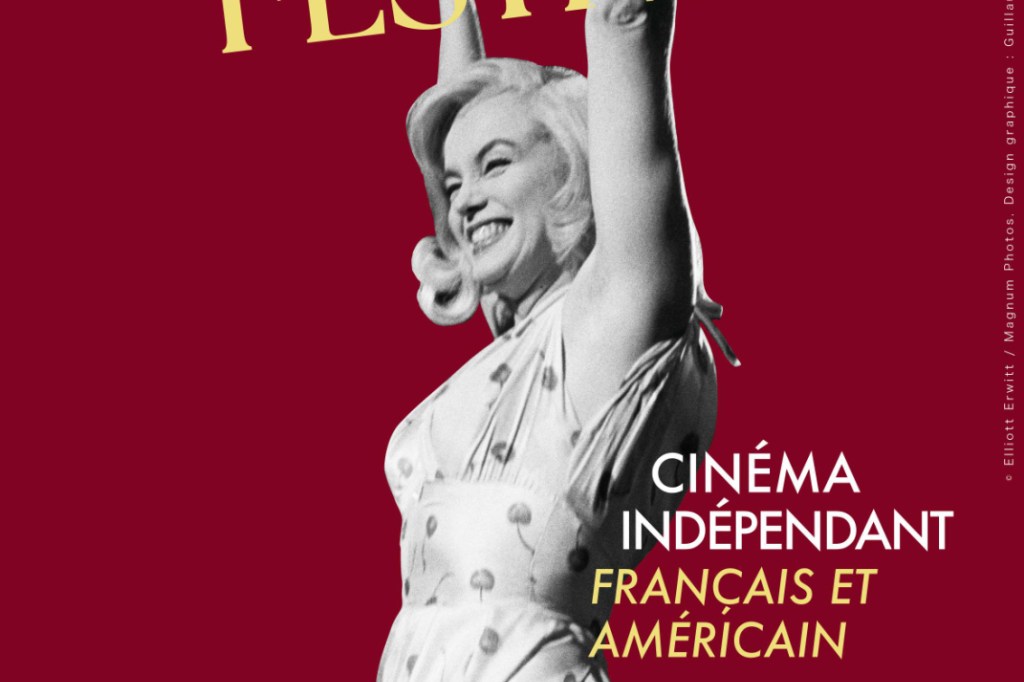
French distributor and exhibitor Sophie Dulac has announced the end of the Champs-Élysées Film Festival following a tumultuous 14th edition in June in the wake of accusations of deteriorating staff conditions at her cinema group.
In a statement, Dulac said she had taken the “difficult decision” to stop the festival thanking past cinema professionals, partners and members of the public who had supported the event.
She cited press reports and attacks, with “heavy consequences”, in the lead up to the festival as well as the progressive closure of cinemas on the Champs-Élysées, and a lack of financial support as the reasons.
Dulac’s decision follows a rocky edition for the festival in the wake of the firing in early June of Jean-Marc Zekri as the long-time director of the Reflet Médicis Cinema in Paris’ Latin Quarter, one of five theaters in the Dulac Cinémas network.
His dismissal met with anger in the indie cinema community and a petition instigated by film review Débordements was signed by 300 film professionals including Mathieu Amalric, Radu Jude, Nadav Lapid and Bertrand Bonello.
French newspapers Le Monde and Libération published investigative reports shortly after detailing long-standing tensions between employees and management at the Dulac group.
The publications cited anonymous accusations by employees of “a toxic atmosphere” and also detailed other staff departures and growing disquiet about the hiring of the group’s theatres for events out of tune with its long-standing work as a supporter of diverse and independent cinema. Dulac denied the accusations.
Two days into the festival, running June 17-23 in a handful of venues off the Champs-Élysées, feature film and short film jury presidents Alice Winocour and Jonathan Millet announced they were stepping back from their roles “in light of the publication of articles calling into question Dulac Cinémas, a major partner of the festival.”
The press jury decided to continue their work out of the respect for the film teams, while the public prizes were also maintained.
The drama carried on into the closing ceremony with director Louise Hémon using her acceptance speech for the Critics’ Prize for her much praised debut The Girl in the Snow to denounce Zekri’s dismissal, saying it was part of wider damaging context for independent cinema.
In her statement announcing the end of the festival, Dulac did not allude directly to the accusations in the press but revealed that a restructuring of her company was underway, noting the importance of being able “to carry out our professions in the best possible conditions, with respect, listening, and dialogue”.
Dulac also highlighted the work of Dulac Cinémas, Dulac Distribution and the festival in guaranteeing “a rigorously demanding, diverse programming that is “open to the world”.
“We continue this work with enthusiasm, through the editorial line of Dulac Distribution and thanks to these wonderful places of sharing and transmission that are movie theaters,” she said.
Current and upcoming titles on the Dulac Distribution slate include Cannes Un Certain Regard Best Director winner Once Upon A Time In Gaza, Hind Meddeb’s Sudan, Remember Us and Fatih Akin’s Amrum, which also premiered in Cannes.
